
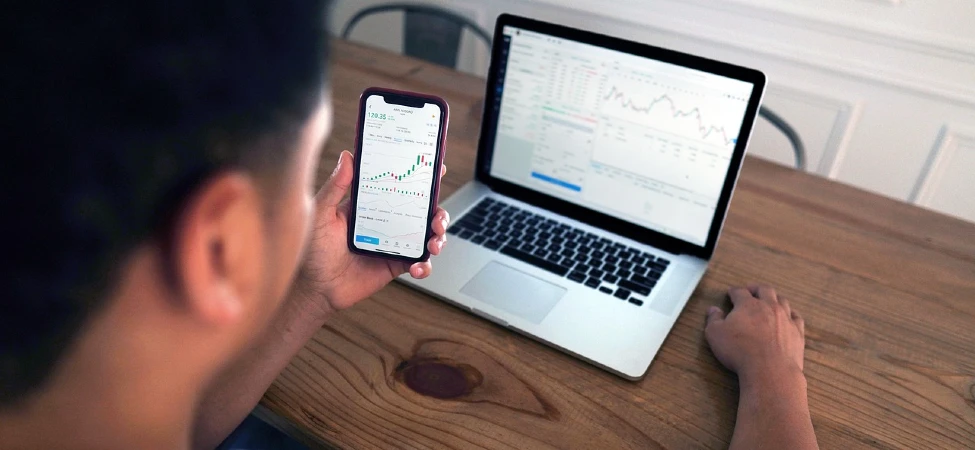
Understanding the difference between market orders and limit orders is crucial for any trader, especially those new to forex and gold trading. These two order types can significantly impact your trading strategy and outcomes. In this article, well break down what each order means, when to use them, and how they can fit into your trading plan.
Table of Contents
- What This Concept Means and Why It Matters in Trading
- Step-by-Step Explanation or Strategy Breakdown
- Practical Examples for Gold or Forex Traders
- Common Mistakes to Avoid
- Risk Management Notes
- Summary
- Frequently Asked Questions
What This Concept Means and Why It Matters in Trading
In trading, orders are instructions to buy or sell an asset. The two primary types of orders are market orders and limit orders. Understanding these orders is essential because they determine how and when your trades are executed, which can affect your profitability and risk exposure.
A market order is executed immediately at the current market price. This type of order is best when you want to enter or exit a position quickly. On the other hand, a limit order allows you to specify the price at which you want to buy or sell. This can be beneficial if you believe the market will move in your favor and you want to wait for a better price.
Step-by-Step Explanation or Strategy Breakdown
Market Orders
When you place a market order, you are asking your broker to buy or sell a currency pair or gold at the best available price. This is how it works:
- Choose the currency pair or gold you want to trade.
- Decide whether you want to buy or sell.
- Place a market order through your trading platform.
- Your order is executed at the current market price.
Limit Orders
Limit orders require a bit more patience but can lead to better trade entries or exits. Heres how to place a limit order:
- Select the currency pair or gold you wish to trade.
- Determine the price at which you want to buy (for a buy limit) or sell (for a sell limit).
- Enter the limit order through your trading platform.
- Your order will only be executed if the market reaches your specified price.
Practical Examples for Gold or Forex Traders
Lets look at a couple of scenarios to illustrate how market and limit orders work in practice.
Example 1: Market Order
Imagine you are watching the EUR/USD pair and notice that it is currently trading at 1.1200. You believe the price will rise quickly due to upcoming economic news. You place a market order to buy 1 lot of EUR/USD. Your order is executed immediately at 1.1200, and you are now in the market.
Example 2: Limit Order
Now, lets say you want to buy gold, currently priced at $1,800. However, you believe it might drop to $1,780 before it rises again. You place a buy limit order at $1,780. If the price reaches that level, your order will be executed. If it doesnt, you remain out of the market.
Common Mistakes to Avoid
- Not understanding slippage: When placing market orders, be aware that the execution price may differ from the expected price due to market fluctuations.
- Using limit orders in volatile markets: In fast-moving markets, your limit order may never be executed if the price skips over your specified level.
- Ignoring market conditions: Always consider the current market environment when choosing between order types.
Risk Management Notes
Effective risk management is vital for successful trading. Here are some tips:
- Use stop-loss orders to limit potential losses on both market and limit orders.
- Never risk more than a small percentage of your trading capital on a single trade.
- Regularly review your trading strategy and adjust your order types based on market conditions.
Summary
Understanding the differences between market orders and limit orders is essential for new traders. Market orders are best for quick entries and exits, while limit orders allow for more control over execution prices. By using these tools wisely and incorporating solid risk management practices, you can enhance your trading strategy and improve your chances of success.
Frequently Asked Questions
- What is the main difference between market and limit orders?
Market orders execute immediately at the current price, while limit orders wait for a specific price to be reached. - When should I use a market order?
Use a market order when you need to enter or exit a trade quickly. - When is it better to use a limit order?
Use a limit order when you want to buy or sell at a specific price and are willing to wait for that price to be reached. - Can I combine market and limit orders?
Yes, many traders use both types of orders in their strategies to manage entries and exits effectively. - What is slippage?
Slippage occurs when a market order is executed at a different price than expected due to market volatility.
As you navigate the world of forex and gold trading, remember that understanding your order types is key to making informed decisions. Trade smart, manage your risks, and stay confident in your trading journey.