
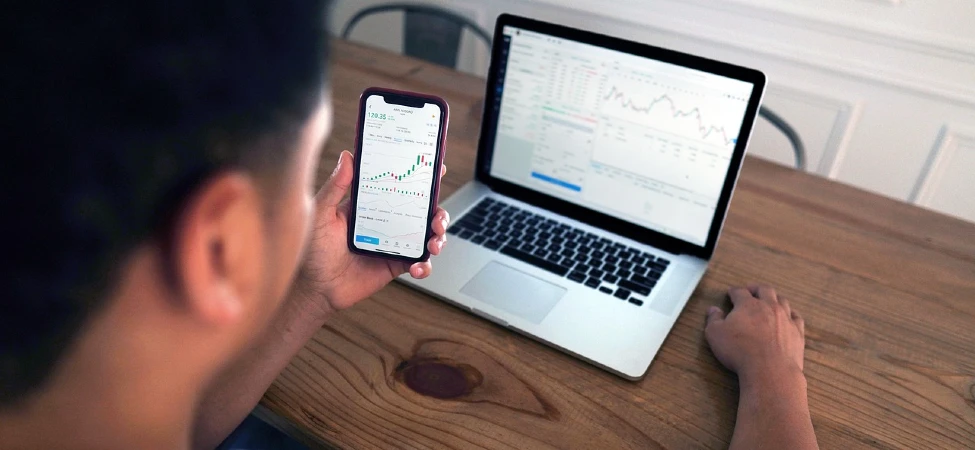
In the world of trading, algorithms have become increasingly popular for their ability to analyze vast amounts of data quickly and make trading decisions based on specific criteria. But can an algorithm trade gold consistently? This article will explore this question, providing insights into algorithmic trading, practical strategies, and essential risk management techniques.
Table of Contents
- What This Concept Means and Why It Matters in Trading
- Step-by-Step Explanation or Strategy Breakdown
- Practical Examples for Gold or Forex Traders
- Common Mistakes to Avoid
- Risk Management Notes
- Summary
- Frequently Asked Questions
What This Concept Means and Why It Matters in Trading
Algorithmic trading involves using computer programs to execute trades based on predefined criteria. For gold traders, this means creating algorithms that can analyze market trends, price movements, and other relevant data to make informed trading decisions. The importance of this concept lies in its potential to enhance trading efficiency and consistency.
Gold is often viewed as a safe haven asset, making it a popular choice among traders, especially during times of economic uncertainty. An algorithm that can trade gold consistently may help traders capitalize on price movements and reduce emotional decision-making.
Step-by-Step Explanation or Strategy Breakdown
To create a trading algorithm for gold, follow these steps:
- Define Your Trading Goals: Determine what you want to achieve with your algorithm. Are you looking for short-term gains or long-term investments?
- Select Indicators: Choose technical indicators that will guide your trading decisions. Common indicators for gold trading include moving averages, Relative Strength Index (RSI), and Bollinger Bands.
- Backtest Your Strategy: Before deploying your algorithm, backtest it using historical data to see how it would have performed in different market conditions. This step is crucial for refining your strategy.
- Implement Risk Management: Set stop-loss and take-profit levels to protect your capital. This will help you manage risk effectively.
- Monitor and Adjust: Once your algorithm is live, continuously monitor its performance and make adjustments as needed based on market changes.
Practical Examples for Gold or Forex Traders
Lets consider a simple algorithmic trading strategy for gold:
Imagine you have developed an algorithm that uses a 50-day moving average (MA) and a 200-day MA. The algorithm generates a buy signal when the 50-day MA crosses above the 200-day MA, indicating a potential upward trend. Conversely, it generates a sell signal when the 50-day MA crosses below the 200-day MA, suggesting a downward trend.
For instance, if the price of gold is $1,800 and the 50-day MA crosses above the 200-day MA, your algorithm might execute a buy order. If the price then rises to $1,850, your algorithm could trigger a take-profit order, securing your gains.
Common Mistakes to Avoid
- Ignoring Market Conditions: Algorithms can fail if they are not designed to adapt to changing market conditions. Always consider economic news and events that may impact gold prices.
- Over-Optimizing: While backtesting is essential, over-optimizing your algorithm to fit historical data can lead to poor performance in live trading.
- Neglecting Risk Management: Failing to implement proper risk management strategies can lead to significant losses. Always set stop-loss orders.
Risk Management Notes
Effective risk management is crucial for any trading strategy, especially in algorithmic trading. Here are some key points to consider:
- Position Sizing: Determine how much of your capital you are willing to risk on each trade. A common rule is to risk no more than 1-2% of your trading capital on a single trade.
- Stop-Loss Orders: Always set stop-loss orders to limit potential losses. This is a critical component of a disciplined trading approach.
- Diversification: Avoid putting all your capital into one trade or asset. Diversifying your portfolio can help mitigate risk.
Summary
In conclusion, while an algorithm can trade gold consistently, its success largely depends on the strategy, market conditions, and risk management practices employed. By carefully defining your goals, selecting appropriate indicators, and continuously monitoring performance, you can enhance your chances of success in algorithmic trading.
Frequently Asked Questions
- Can I create a trading algorithm without programming skills? Yes, many platforms offer user-friendly tools that allow you to create algorithms without extensive programming knowledge.
- How much capital do I need to start algorithmic trading? The amount of capital needed varies, but starting with a small amount can help you learn without significant risk.
- Is algorithmic trading suitable for beginners? Yes, with proper research and education, beginners can successfully use algorithmic trading strategies.
- What are the best indicators for trading gold? Common indicators include moving averages, RSI, and MACD. The best choice depends on your trading strategy.
- How can I improve my algorithm’s performance? Regularly backtest and adjust your algorithm based on market conditions and trading performance.
Remember, smart and confident trading involves understanding the risks and implementing effective strategies. With the right approach, algorithmic trading can be a valuable tool in your trading arsenal.