
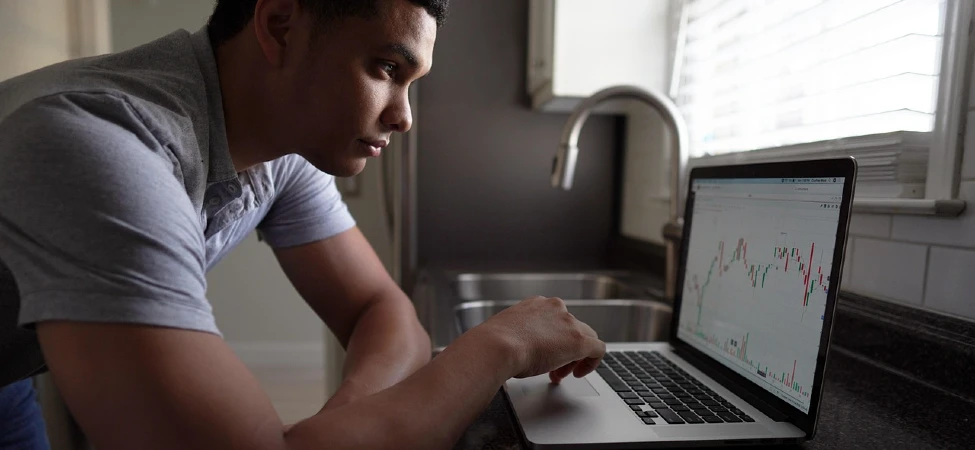
Trading can be a rollercoaster of emotions. For many traders, especially beginners and intermediates, the thrill of the market can lead to decisions driven by feelings rather than strategy. One of the most common pitfalls is revenge trading, where a trader tries to recover losses by making impulsive trades. In this article, well explore what revenge trading is, why it matters, and how you can avoid falling into this emotional trap.
Table of Contents
- What is Revenge Trading?
- Why It Matters in Trading
- Step-by-Step Strategy Breakdown
- Practical Examples for Gold or Forex Traders
- Common Mistakes to Avoid
- Risk Management Notes
- Summary
- Frequently Asked Questions
What is Revenge Trading?
Revenge trading occurs when a trader, after experiencing a loss, attempts to make back that money quickly by taking impulsive trades. This often leads to further losses and can spiral into a cycle of emotional decision-making. Instead of sticking to a trading plan, the trader reacts emotionally, which can cloud judgment and lead to poor outcomes.
Why It Matters in Trading
Understanding revenge trading is crucial for your success as a trader. Emotional trading can lead to:
- Increased Losses: Chasing losses often results in bigger financial setbacks.
- Poor Decision-Making: Emotional responses can override logical thinking.
- Loss of Confidence: Continuous losses can erode your self-esteem and trading discipline.
By recognizing and addressing the emotional aspects of trading, you can maintain a clearer mindset and improve your trading performance.
Step-by-Step Strategy Breakdown
To avoid revenge trading, consider implementing the following strategies:
- Develop a Trading Plan: Create a detailed plan that outlines your trading goals, risk tolerance, and strategies. This plan should serve as your guide during both profitable and losing streaks.
- Set Clear Risk Management Rules: Determine how much of your capital you are willing to risk on each trade. A common rule is to risk no more than 1-2% of your total account on a single trade.
- Take Breaks: If you find yourself feeling emotional after a loss, step away from the trading platform. Take a break to regain your composure before making any new trades.
- Practice Mindfulness: Engage in mindfulness techniques such as meditation or deep breathing exercises to help manage your emotions and maintain focus.
Practical Examples for Gold or Forex Traders
Lets consider a scenario involving a forex trader:
Imagine you are trading the EUR/USD pair. You enter a trade based on a technical analysis that indicates a strong upward trend. However, the market suddenly reverses, and you incur a loss. Instead of sticking to your plan, you feel frustrated and decide to double your position to recover the loss quickly. This is a classic example of revenge trading.
Instead, if you had followed your trading plan and risk management rules, you would have accepted the loss and waited for a better opportunity to enter the market again. By doing so, you maintain discipline and avoid the emotional pitfalls of revenge trading.
Common Mistakes to Avoid
Here are some common mistakes that can lead to revenge trading:
- Ignoring Your Trading Plan: Deviating from your established strategy can lead to impulsive decisions.
- Overtrading: Trying to make back losses by trading more frequently can increase your risk and potential losses.
- Chasing Losses: This often leads to a cycle of emotional trading and further losses.
Risk Management Notes
Effective risk management is crucial in avoiding revenge trading. Here are some key points to remember:
- Use Stop-Loss Orders: Always set stop-loss orders to limit potential losses on each trade.
- Maintain a Trading Journal: Document your trades, including your emotions and decisions. This can help you identify patterns in your trading behavior.
- Stay Informed: Keep up with market news and trends to make informed trading decisions rather than emotional ones.
Summary
Emotional trading, particularly revenge trading, can be detrimental to your trading success. By understanding the emotional aspects of trading and implementing structured strategies, you can avoid impulsive decisions that lead to further losses. Focus on developing a solid trading plan, practicing effective risk management, and maintaining emotional discipline.
Frequently Asked Questions
- What is revenge trading? Revenge trading is when a trader makes impulsive trades to recover losses, often leading to further financial setbacks.
- How can I manage my emotions while trading? Implement mindfulness techniques, take breaks, and stick to your trading plan to manage emotions effectively.
- What are the risks of revenge trading? Risks include increased losses, poor decision-making, and loss of confidence in your trading abilities.
- How can I create a trading plan? A trading plan should include your goals, risk tolerance, strategies, and rules for entering and exiting trades.
- Why is risk management important? Risk management helps protect your capital and ensures that you can continue trading even after losses.
In conclusion, trading with a clear mind and a structured approach is vital for success. By avoiding revenge trading and focusing on disciplined, risk-managed strategies, you can navigate the markets with confidence and clarity.