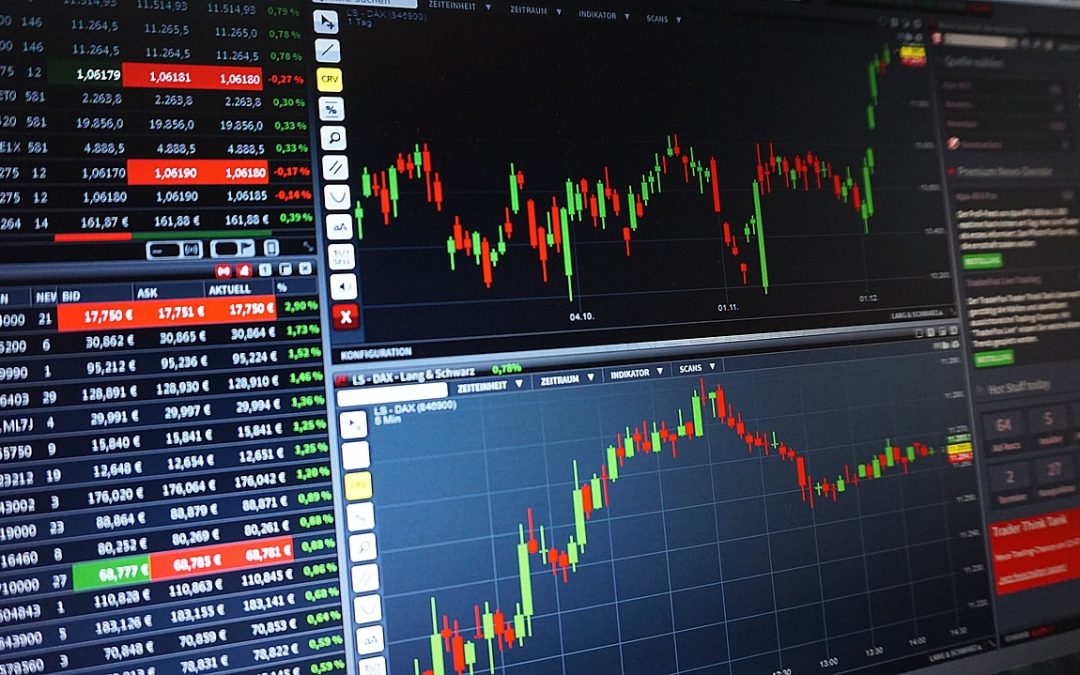
Trading during Federal Open Market Committee (FOMC) meetings can be both exciting and risky. For forex and gold traders, these events can lead to significant market volatility. Understanding how to navigate these meetings effectively is crucial for maintaining a profitable trading strategy. In this article, we will explore practical tips and strategies to trade FOMC meetings without blowing up your account.
Table of Contents
- What This Concept Means and Why It Matters in Trading
- Step-by-Step Explanation or Strategy Breakdown
- Practical Examples for Gold or Forex Traders
- Common Mistakes to Avoid
- Risk Management Notes
- Summary
- Frequently Asked Questions
What This Concept Means and Why It Matters in Trading
The FOMC is responsible for setting monetary policy in the United States, which directly influences interest rates and, consequently, currency values and gold prices. When the FOMC meets, traders closely watch for changes in interest rates, economic forecasts, and any statements that might indicate future policy shifts. This information can lead to rapid price movements, making it a prime opportunity for traders—but also a potential pitfall if not approached correctly.
Step-by-Step Explanation or Strategy Breakdown
To trade FOMC meetings effectively, follow these steps:
- Research the Market Context: Before the meeting, analyze economic indicators and previous FOMC statements. Look for trends in inflation, employment, and GDP growth that could influence the committee’s decisions.
- Set Up Your Charts: Use technical analysis to identify key support and resistance levels. This will help you determine potential entry and exit points during and after the announcement.
- Develop a Trading Plan: Decide in advance how you will react to different scenarios. For example, if the FOMC raises interest rates, you might expect the USD to strengthen. Plan your trades accordingly.
- Monitor the News: During the meeting, pay attention to the live statements and any press conferences. These can provide additional insights that affect market sentiment.
- Execute Your Trades: Stick to your plan. Enter trades based on your analysis and avoid making impulsive decisions based on emotions.
Practical Examples for Gold or Forex Traders
Lets consider a scenario involving the USD and gold:
Imagine the FOMC announces an unexpected interest rate hike. As a forex trader, you might have anticipated this based on previous economic data. After the announcement, you notice the USD begins to strengthen against other currencies. You could enter a long position on the USD/JPY pair, targeting a resistance level identified on your chart.
For gold traders, the same announcement might lead to a sell-off in gold prices, as higher interest rates often decrease gold’s appeal as a non-yielding asset. If you had identified a support level for gold prior to the meeting, you might consider placing a sell order once the price breaks below this level.
Common Mistakes to Avoid
- Overleveraging: Many traders increase their position sizes during high-volatility events, which can lead to significant losses. Stick to your risk management rules.
- Ignoring Economic Indicators: Failing to consider the broader economic context can lead to misguided trades. Always analyze relevant data before the meeting.
- Chasing the Market: After the announcement, prices can move rapidly. Avoid the temptation to chase after rapid price movements without a clear strategy.
Risk Management Notes
Effective risk management is critical when trading FOMC meetings. Here are some best practices:
- Use Stop-Loss Orders: Always set stop-loss orders to limit potential losses. This is especially important during volatile periods.
- Limit Position Sizes: Only risk a small percentage of your trading capital on any single trade. This helps protect your account from significant drawdowns.
- Stay Informed: Keep up with economic news and updates leading up to the FOMC meeting. This information can help you make more informed trading decisions.
Summary
Trading during FOMC meetings can be lucrative but also fraught with risk. By conducting thorough research, developing a solid trading plan, and practicing sound risk management, you can navigate these events without blowing up your account. Remember to stay calm, stick to your strategy, and avoid emotional trading.
Frequently Asked Questions
- What is the FOMC? The Federal Open Market Committee is a branch of the Federal Reserve responsible for setting monetary policy, including interest rates.
- How often does the FOMC meet? The FOMC typically meets eight times a year, but additional meetings can occur if necessary.
- What should I look for during an FOMC meeting? Pay attention to interest rate changes, economic forecasts, and the language used in the statements, as these can impact market sentiment.
- Can I trade FOMC meetings with a small account? Yes, but its essential to manage your risk carefully and avoid overleveraging your positions.
- How can I prepare for an FOMC meeting? Review economic data, set up your trading charts, and develop a clear trading plan based on potential outcomes.
In conclusion, trading FOMC meetings requires preparation, strategy, and discipline. By focusing on risk management and staying informed, you can trade confidently and effectively. Remember, the goal is to make smart, calculated decisions that align with your trading plan.